Preparing Your Dog for a Vet Visit: Helping Your Dog Feel Calm and Confident

For some dogs, a trip to the vet is no big deal. For others, the sight of the car keys, the clinic car park or even the veterinary scales can be enough to cause a little anxiety!
The good news is that there are plenty of things you can do at home to help your dog feel more comfortable and confident during veterinary visits.
Preparing your dog isn't just about getting them through their next appointment. It's about building positive experiences over time, helping them become comfortable with being handled and making veterinary care a little less daunting for everyone.
Here are our tips for helping your dog become a happier, more confident vet visitor.
Get comfortable with being handled
A veterinary examination involves lots of hands-on interaction. Your vet may need to check your dog's ears, eyes, mouth, teeth, paws, skin, tummy and tail, so getting your dog used to being touched all over is a great place to start.
Make handling part of your everyday routine, keeping sessions short, gentle and rewarding.
Try practising:
- Paws and feet: Gently hold each paw, touch between the toes and briefly handle individual nails.
- Ears: Lift each ear flap and gently look inside.
- Mouth and teeth: Lift the lips to look at the teeth and gums, and gradually build up to briefly opening the mouth.
- Body and tummy: Practise gently running your hands along their back, sides, chest and tummy.
- Tail: Gently touch and lift the tail if your dog is comfortable.
- Legs and joints: Gently feel along each leg, allowing your dog to become familiar with being examined.
Pair each interaction with praise, treats or a favourite reward. Start with a simple touch and gradually build up to longer handling as your dog becomes comfortable.
Remember, the goal isn't to hold your dog still or push through if they are uncomfortable. If they pull away, become tense or try to avoid you, take a step back and make the exercise easier.
Practise standing for an examination
During a veterinary examination, your dog may need to stand still while the vet checks their body, listens to their heart and lungs or examines their joints.
Practise asking your dog to stand on all four feet and reward them for remaining in position for a few seconds at a time.
Gradually introduce gentle touches while they are standing, such as running your hands along their back, lifting an ear or briefly holding a paw.
This helps your dog learn that standing calmly while being examined is a normal and rewarding experience.
Get used to gentle restraint and supportive holds
Sometimes veterinary procedures require your dog to be gently held or supported to help keep them comfortable and safe.
You can help prepare them by practising gentle, supportive contact around their neck, chest and legs.
For example, briefly place your hands around their chest or gently support their body while rewarding them for remaining relaxed. Gradually introduce slightly longer holds as they become comfortable.
This helps your dog become familiar with the feeling of being calmly supported and gently restrained, which can be useful during procedures such as blood collection, injections and examinations.
Always keep the pressure gentle and avoid squeezing, pinning or forcing your dog into a position.
Make the car a happy place
If the only time your dog gets in the car is to visit the vet, they may quickly learn to associate car trips with something unpleasant.
Try making car travel part of their everyday routine:
- Start with simply sitting in the car together, rewarding calm behaviour.
- Introduce short trips around the block.
- Visit somewhere fun, such as a favourite walking spot.
- Reward your dog for calmly getting in and out of the car.
If your dog experiences travel sickness or anxiety, speak with your vet about ways to make car travel more comfortable.
Help your dog feel comfortable on the day
A little preparation before leaving home can make the appointment run more smoothly.
- Take your dog for a relaxed toilet break before arriving.
- Bring their favourite treats or toy.
- Keep them on a secure lead when entering the clinic.
- Give them space from unfamiliar dogs if they feel uncomfortable around other animals.
- Let our team know if your dog is nervous, reactive or has had difficult veterinary experiences in the past.
A little bribery never hurts when it comes to building positive experiences!
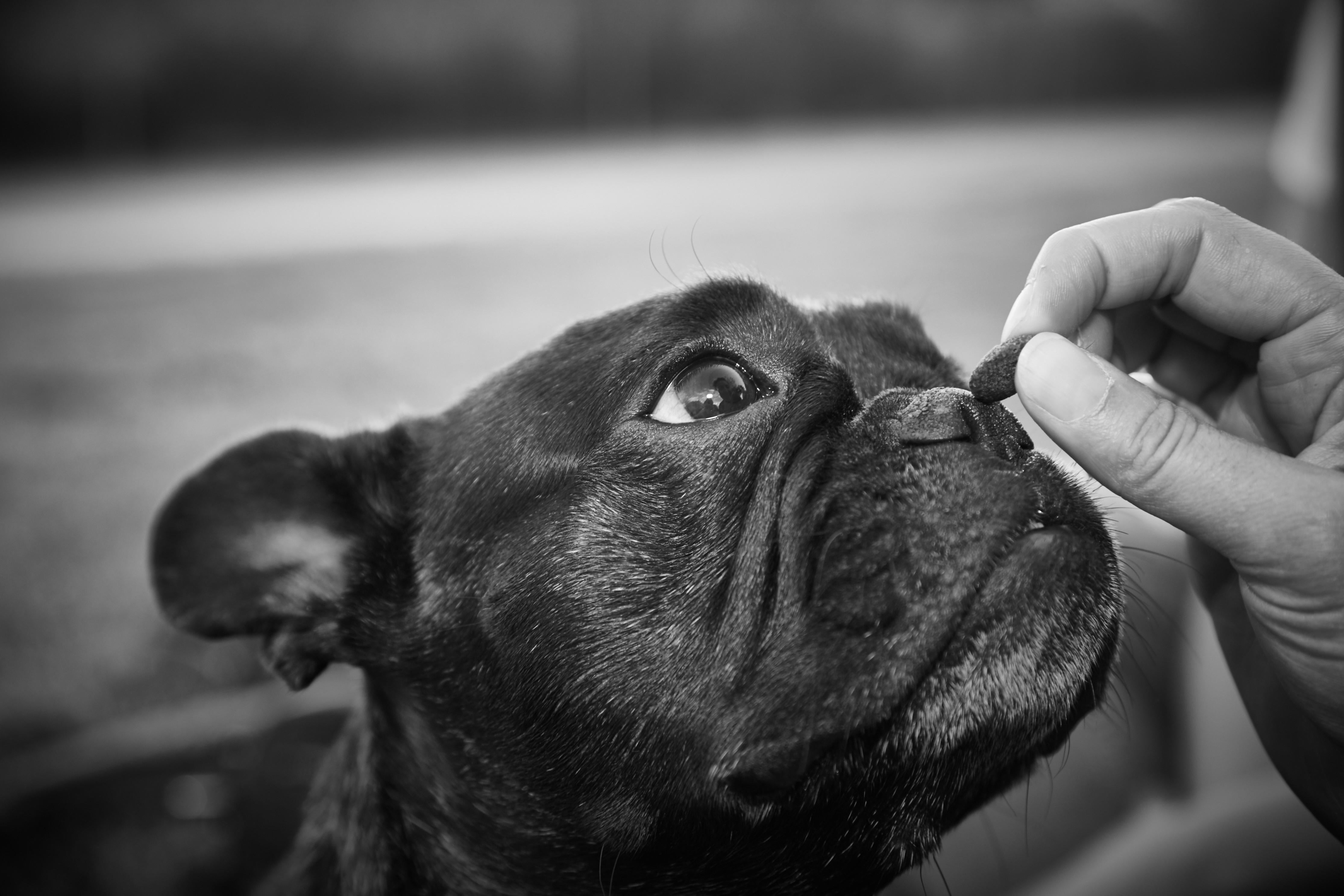
Soft, tasty treats that can be given in small pieces are particularly handy during examinations and procedures.
If your dog has dietary restrictions, allergies or needs to fast before an appointment, check with your veterinary team about suitable rewards beforehand.
We can work with you to make adjustments where possible and help your dog feel more at ease.
What if my dog is still anxious?
Some dogs need a little extra help, particularly if they have had frightening experiences in the past.
Signs of stress can include panting, trembling, excessive drooling, lip licking, yawning, freezing, trying to hide, growling or attempting to escape.
If your dog struggles with veterinary visits, please let us know. There is no need to feel embarrassed or apologise for their behaviour. We would much rather know how your dog is feeling so we can work together to make their experience as comfortable as possible.
Depending on your dog's needs, we may recommend additional cooperative care training, changes to how appointments are managed or medication to help reduce anxiety.
A little practice goes a long way!
You don't need to do everything at once. Just a few minutes of positive handling practice each day can help your dog become more comfortable with the sights, sounds and experiences of a veterinary visit.
Remember, every dog is different. Some will happily accept a full examination, while others need more time, patience and encouragement.
At Pets Health, we believe veterinary care should be a positive experience wherever possible. By working together and helping your dog feel safe, supported and confident, we can make those important visits a little easier.
Happy practice makes happier vet visits!
| Tags:Client InformationHealth AdviceProactive Pet Care |